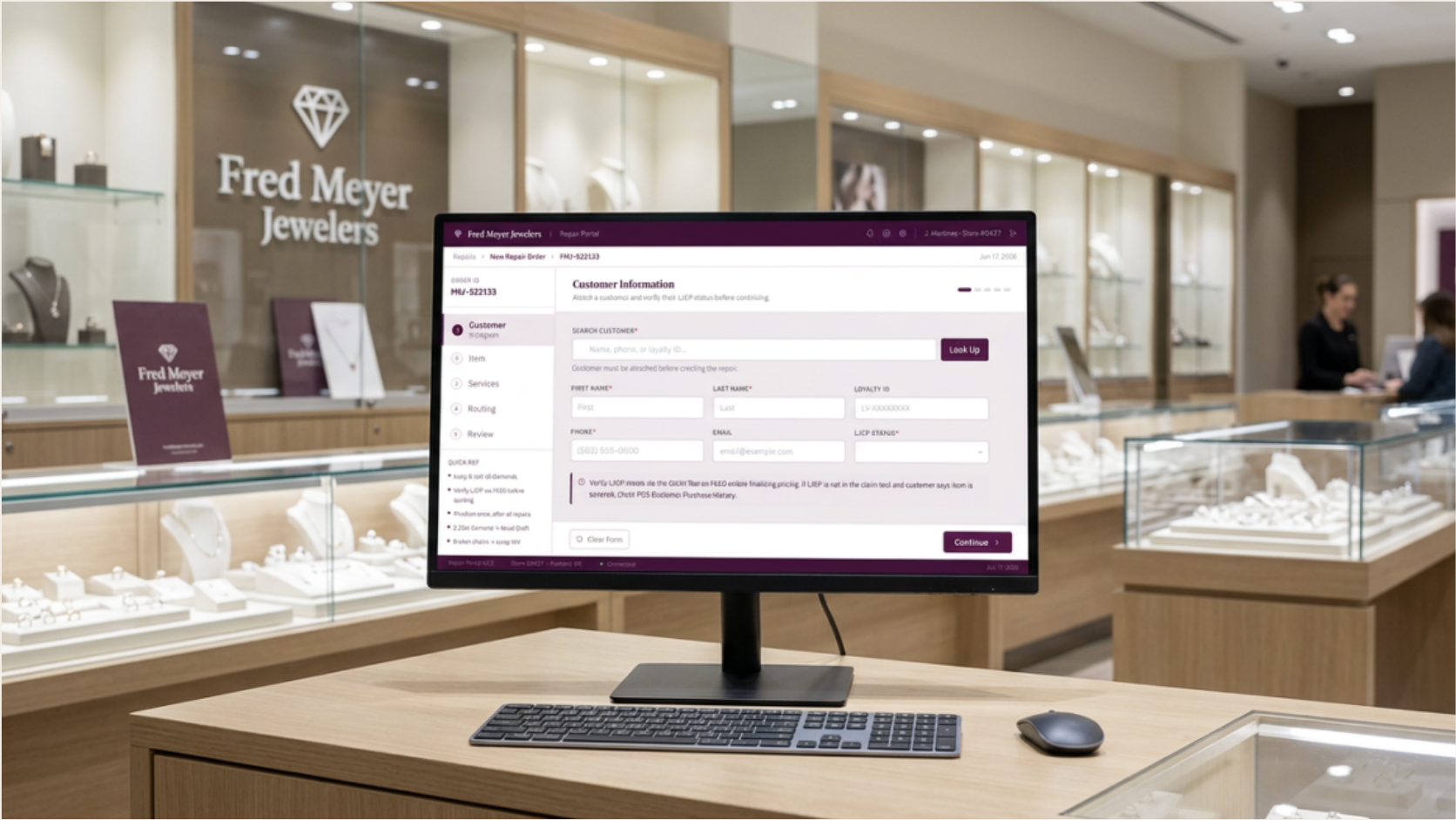
Fred Meyer Jewelers Repair Portal
My Role
UI/UX Designer & Researcher
Client
Kroger
Duration
6 months
The Problem
Antiquated SOPs, Systems, and Tools
Employees were forced to circumvent ways of working to navigate processes and tools that were causing shrinkage and dissatisfied customers, which augmented their pain points and stress at work.
Unstructured IoT, Information Architecture, and Data
Customer data and personal information were often duplicated across several profiles and their corresponding PIDs, which was taxing for staff and customers to update. Systems did not communicate well, and data was unorganized.
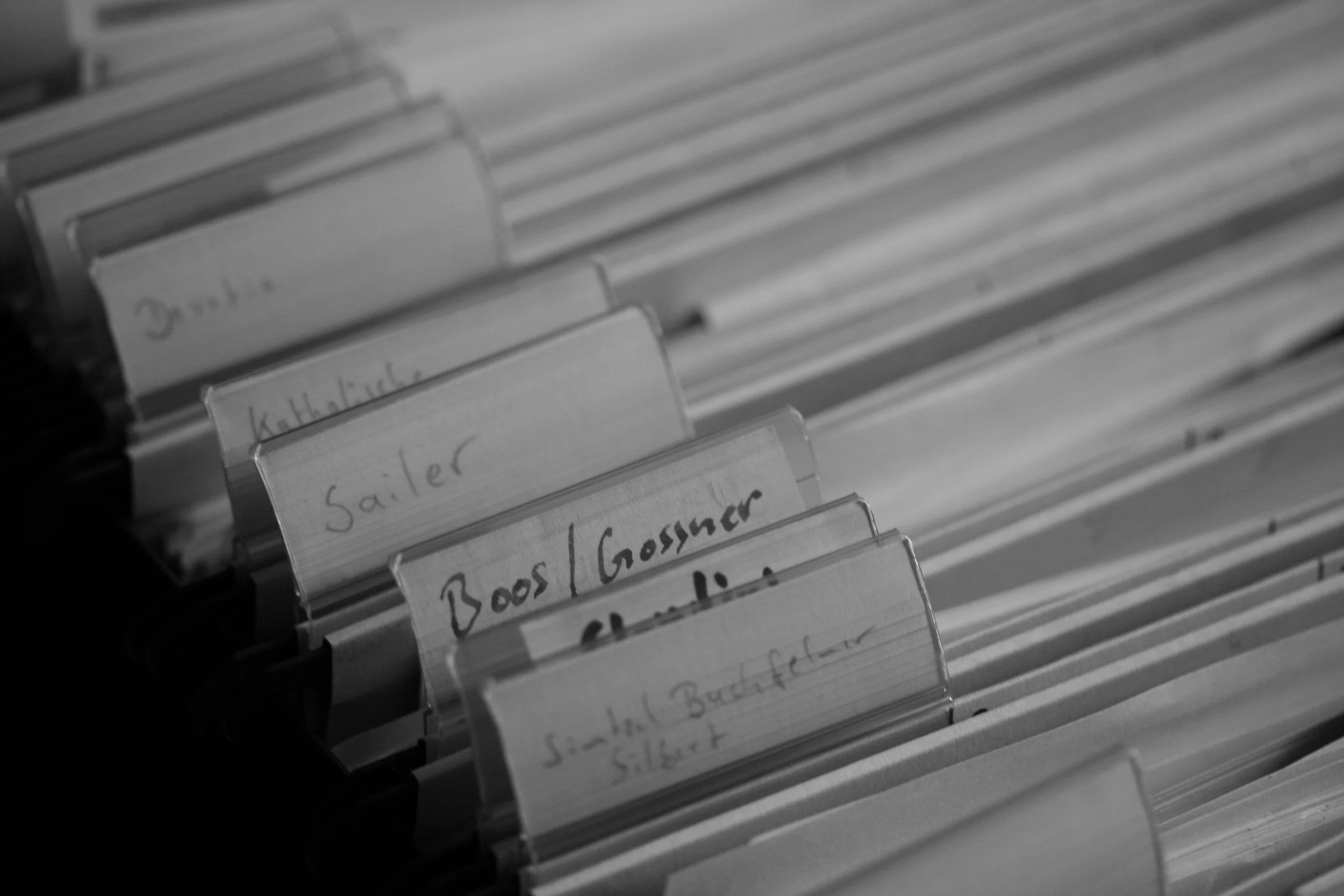
Processes
Error Prone
Tools
Outdated and not user friendly
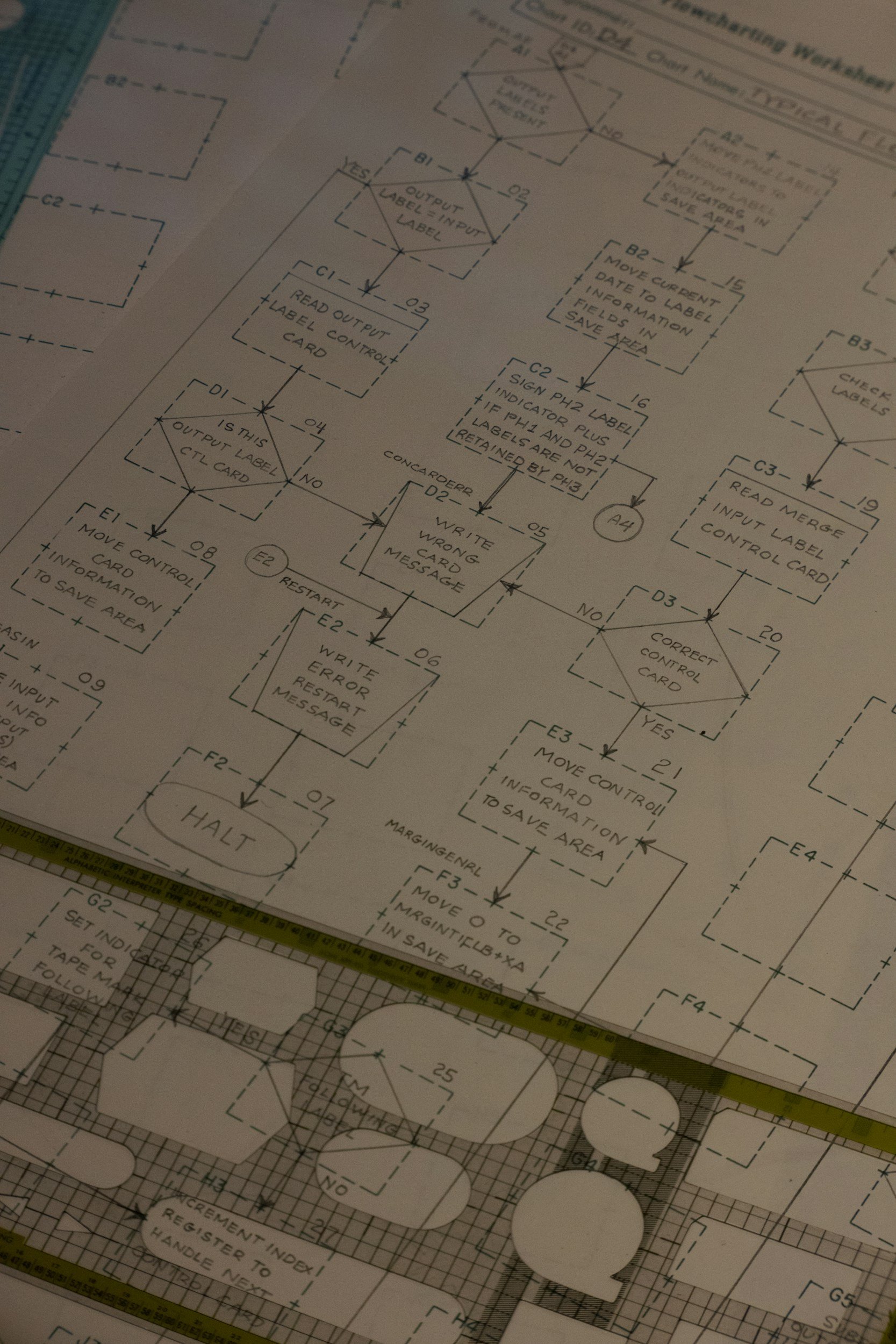
Data
Unstructured
Research
Literature reviews
Standard operating procedures
artifacts
documentation of past research efforts
Generative Research
User behavior and workarounds
Sentiment and feedback
participatory design
User feedback
Usability Testing
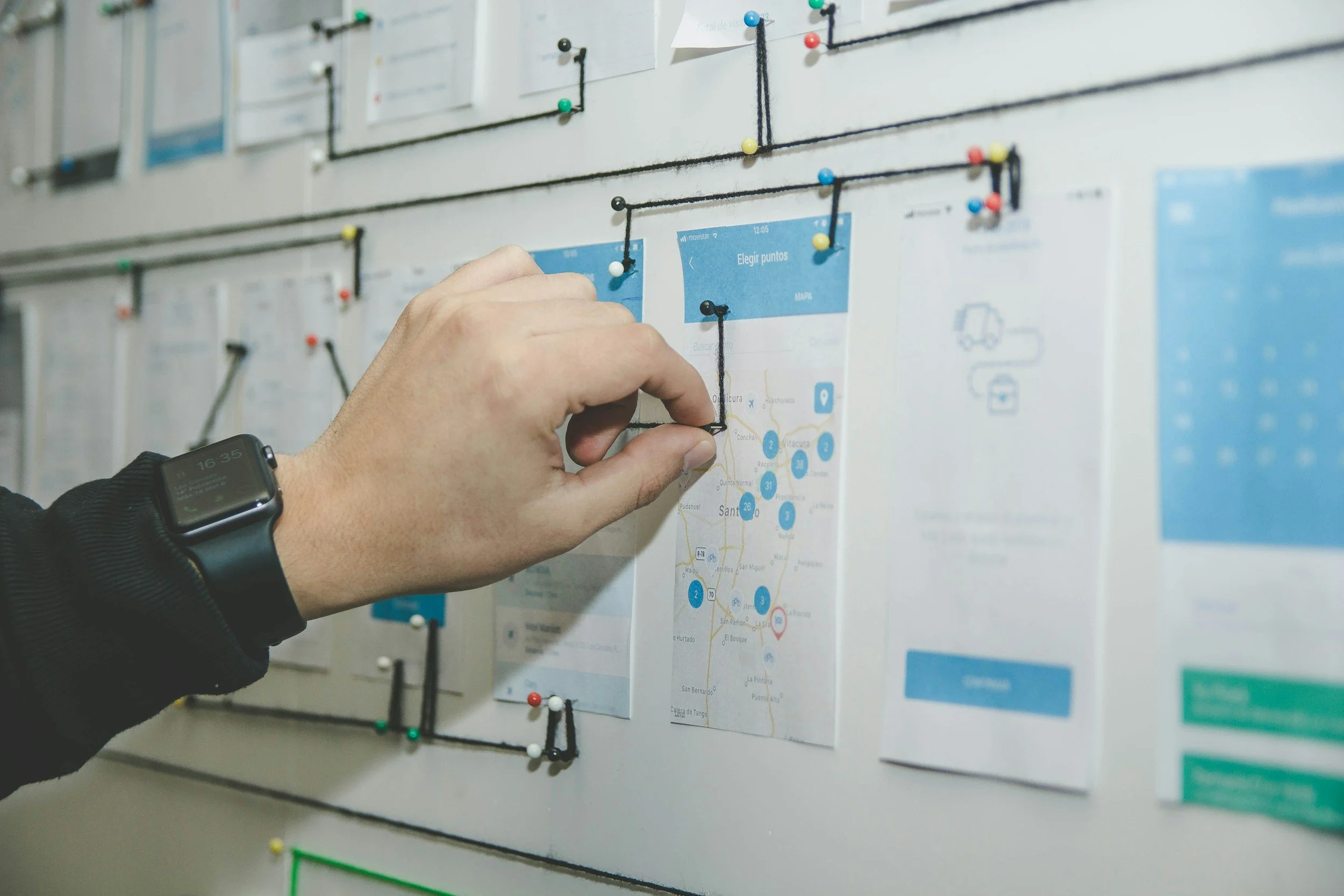
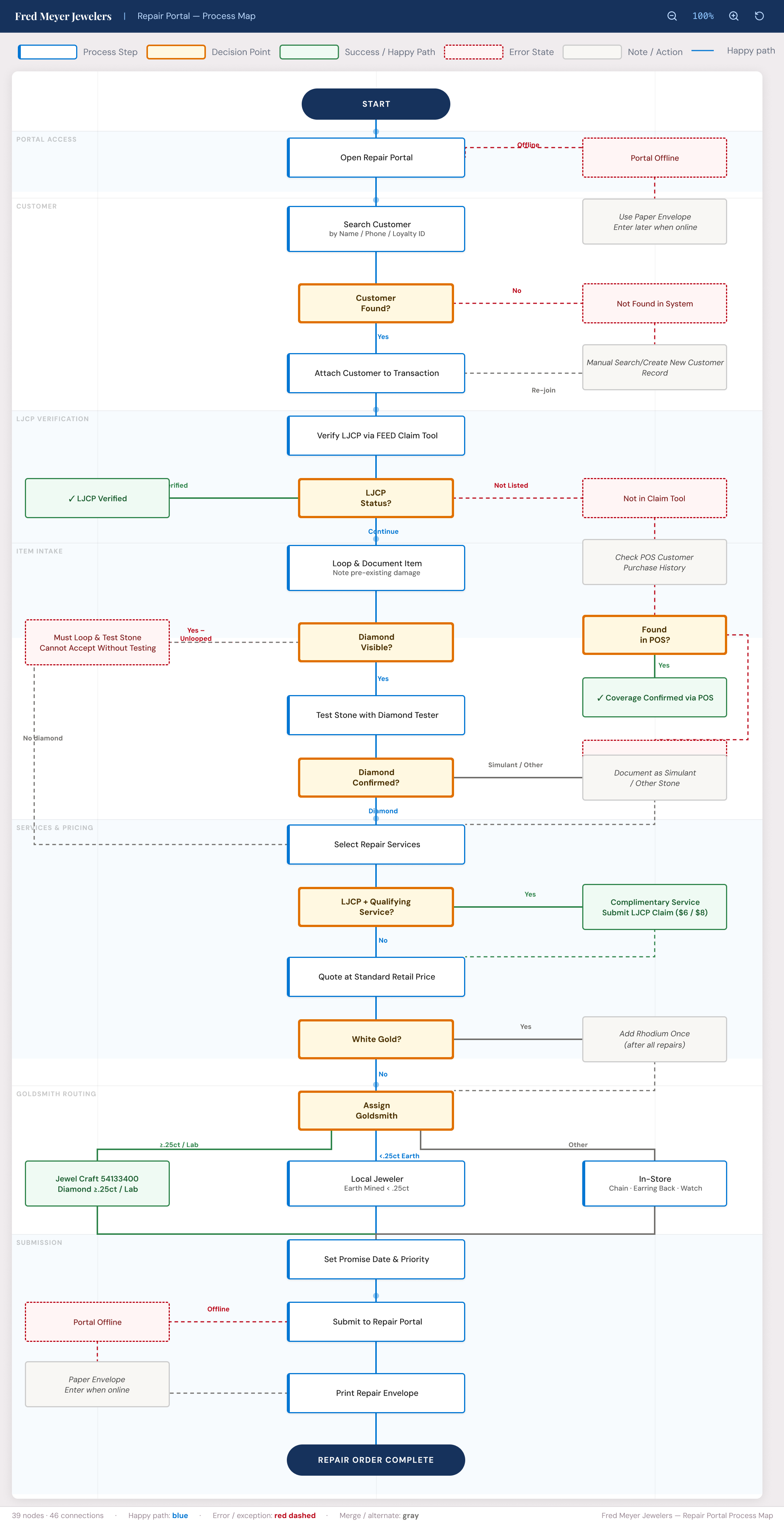
User Journeys

In-store execution processes
Error States
Happy paths

User Journey Mapped
Mapping the happy path, proxy flows, and error states enabled us to confidently visualize a clear and abstract representation of our UX design.
Prototypes
Rapid Ideation and Iteration
Design jam sessions included business partners, engineering teams, technical leads, product managers, and end users.
We interviewed users about their pain points in the current processes and asked how they could be improved.
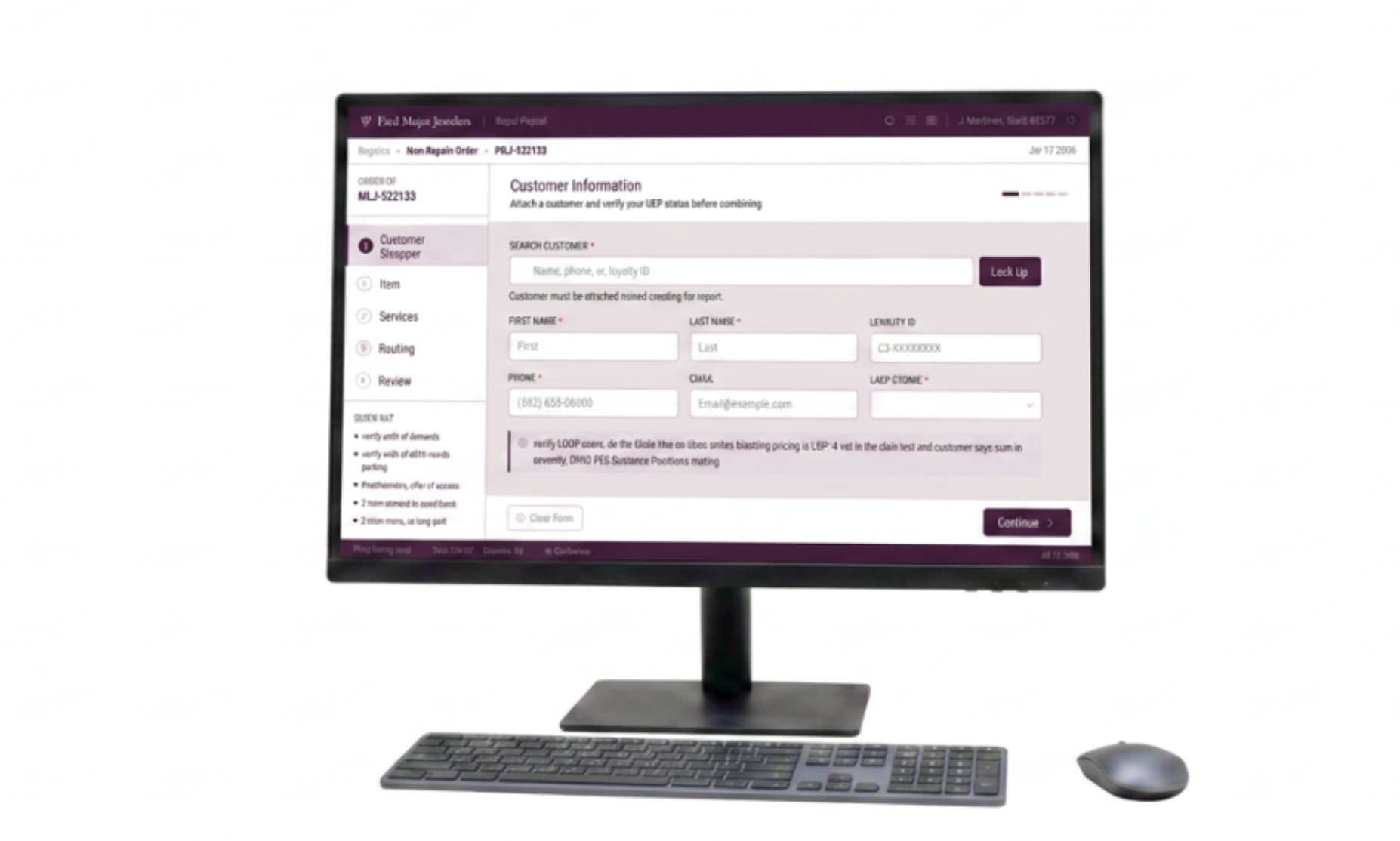
We started a lo-fi sketch of the antiquated system and adapted it to current Kroger design systems and tools.
After an initial executive review, users tested the product and provided feedback. Then we iterated and improved it.
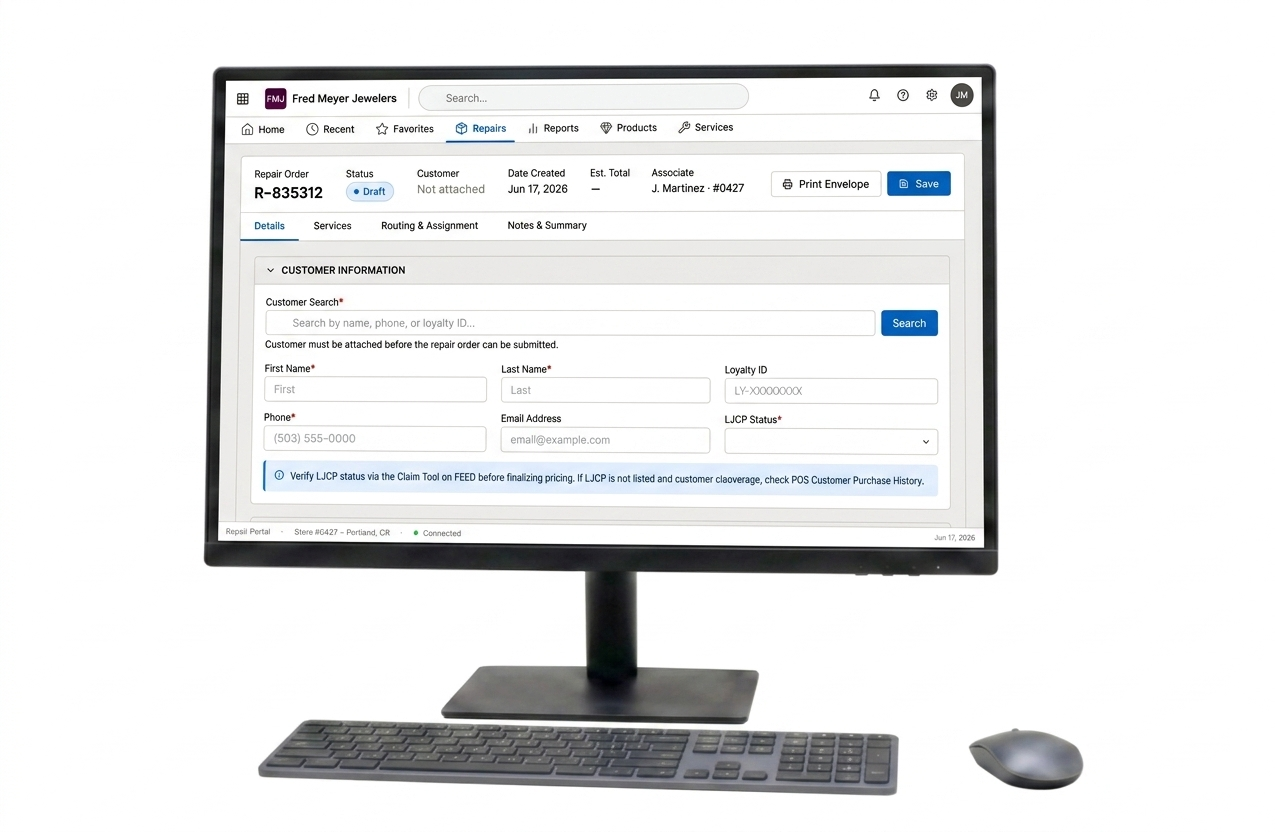
Iterations included incorporating the Kroger design systems and ludic UI.
We reworked the IoT and unstructured customer data by deduping it and integrating systems that communicated seamlessly and were more intuitive to recognizing and reasoning potential duplicates.
Then we started to determine LLMs and algorithms to mitigate unstructured data in the future, while addressing the current stigmas through entity resolution, search limiters, deterministic matching, and probabilistic matching.
Projected Savings

$330K / year
Labor Savings
If the streamlined UI saves just 10 minutes per repair intake (moving from 15 minutes of slow legacy typing to a fast 5-minute automated customer lookup), that amounts to 15,600 hours of labor annually. At an average associate cost of $21/hour (including benefits), this equals $327,600 in recovered labor capacity.
$100K/ year
Reduced Shrink
By forcing warranty and LJCP status validation directly on the screen before pricing is finalized, the system prevents costly manual oversight errors. Catching or avoiding just two $40 pricing or warranty mistakes per store annually saves ~$100,000 in lost revenue.
AI Generated Prototype
FMJ Portal Concept Prototype. Tools: Figma Make then remastered using Gemini.